How to announce holidays and closures
A client who finds the shutter down with no warning remembers it. Where to announce a closure, how far ahead and how to stop bookings that day.
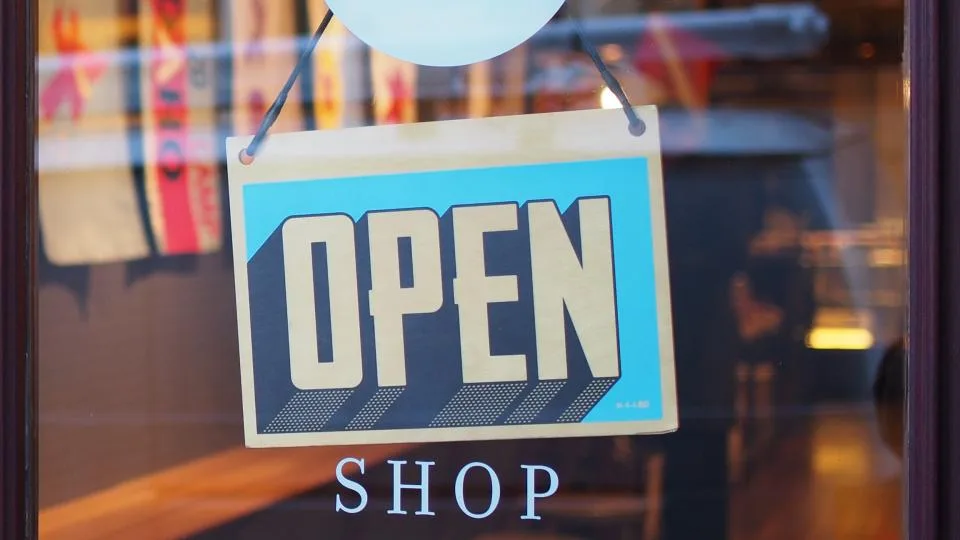
Closing for a holiday bothers nobody. What bothers people is finding out at the door. And today the door isn't just the one on the street. It's also your booking page, your map listing and your social media.
Announcing it well means the message is the same in all those places.
First, the diary
Before announcing anything, close those days where bookings are made. It's the step most often forgotten and the one that causes the most trouble, because you may have put up a lovely sign and still be accepting appointments for 15 August.
Mark the period as closed. In Barberfy special days can be set for a single date or for a whole range, and they also work for a day with reduced hours.
Check whether there were already appointments
If you close on days when you already had bookings, don't wait for people to notice. Write to or call each client and offer another date. It's uncomfortable, but far less so than the alternative.
How far ahead
- A long break. Three or four weeks. That gives someone who gets a cut every month time to bring their appointment forward.
- A public holiday or a long weekend. A week is enough.
- An unexpected closure. As soon as you know, on every channel at once.
Where to say it
In the shop. A sign by the till and another on the door, with the exact dates and the day you're back.
On your booking page. That's where people look when they're about to book.
On your map listing. Many people check the opening hours there before leaving home. Almost all listings let you set special hours for particular days.
On social media. A post pinned to the top for as long as the closure lasts.
In person. When saying goodbye to each client in the two weeks before. It's what works best.
What to put
Dates, the day you're back and how to book for then. Nothing more is needed.
An example. "We're closed from 12 to 26 August. We're back on Tuesday 27. You can already book your appointment for our return on our page."
Avoid "closed for holidays" with no dates. It makes the client guess.
If only one person is away
When it's a professional who is away and the shop stays open, it isn't a closure. It's enough to mark their days off in their schedule so no appointments can be booked with them. Their regular clients appreciate knowing in good time.
Coming back
The first day usually fills up. Leave a slot or two unsold for emergencies and for anyone who walks in after two weeks of waiting.
One last detail
When you're back, take down the signs and the pinned post. An August notice still up in October looks worse than not having given notice at all.
Updated on 18 November 2026