How to reduce no-shows at your barbershop
A client who doesn't turn up is an hour you can no longer sell. The measures that really bring no-shows down, from the gentlest to the firmest.
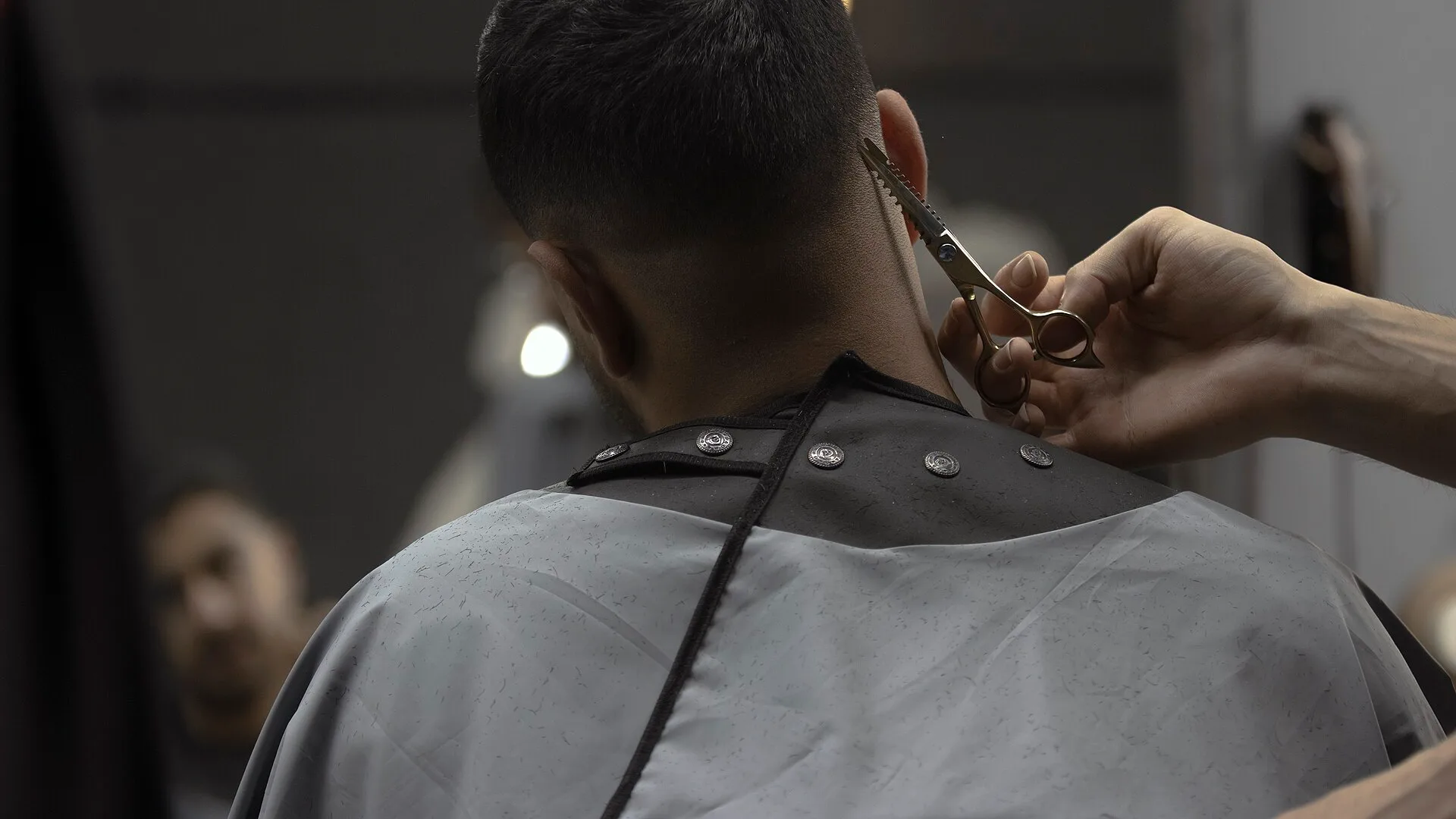
An empty chair at six in the evening is gone for good. You can't sell that hour tomorrow, and you also turned away someone who would have come. That's why no-shows weigh more on a month's takings than they seem to.
The good news is that most of them aren't bad faith. They're forgetfulness, and forgetfulness can be fixed with a method.
Start with the reminder
Almost everyone who misses an appointment simply forgot. A message the day before solves the biggest part of the problem without you picking up the phone.
What matters is that it goes out by itself. If it depends on someone in the team remembering to write, it will stop happening in the first busy week. In Barberfy the email reminder goes out 24 hours before each appointment by default.
Make cancelling easy
It sounds like the wrong direction, but it works. Someone who can't come and can't find a way to tell you just doesn't show up. If cancelling takes two taps on a phone, you find out in time and that slot goes back on sale.
What you should do is set a limit. A cancellation a day ahead leaves you time to fill the hour. A cancellation ten minutes before is, for all practical purposes, a no-show.
Decide what happens when someone doesn't come
Every business has its own character here, and there's no single answer. These are the three usual options.
- A no-show fee. The client can book again, and the amount is added to their next payment.
- Blocking online booking from the first miss. Firm, and a good fit if your diary is always full.
- Blocking after several misses in a row. It forgives the slip and stops the repeat offender.
Whichever you pick, make sure it can be waived. A client of ten years who misses once because of an emergency doesn't deserve the same treatment as someone who books three Saturdays and comes to none.
Say it before, not after
A policy the client discovers once it already affects them starts an argument. The same policy explained at the time of booking is simply accepted. Put it on your booking page and in the confirmation email.
Look at the figure before tightening anything
Before charging fees, check how often it really happens. If two in every hundred appointments are missed, the reminder may be enough. If it's ten, it's time for a policy. Your statistics show the no-show rate by period, so you decide with numbers and not with the feeling left by one bad Saturday.
In short
An automatic reminder, simple cancellation with a clear limit, and a consequence known in advance. In that order. Most businesses never need to go beyond the second step.
Updated on 18 November 2026