
What to do when a client doesn't show up
A fee, an immediate block or a block after several misses. Each policy suits a kind of business. How to choose yours and apply it calmly.
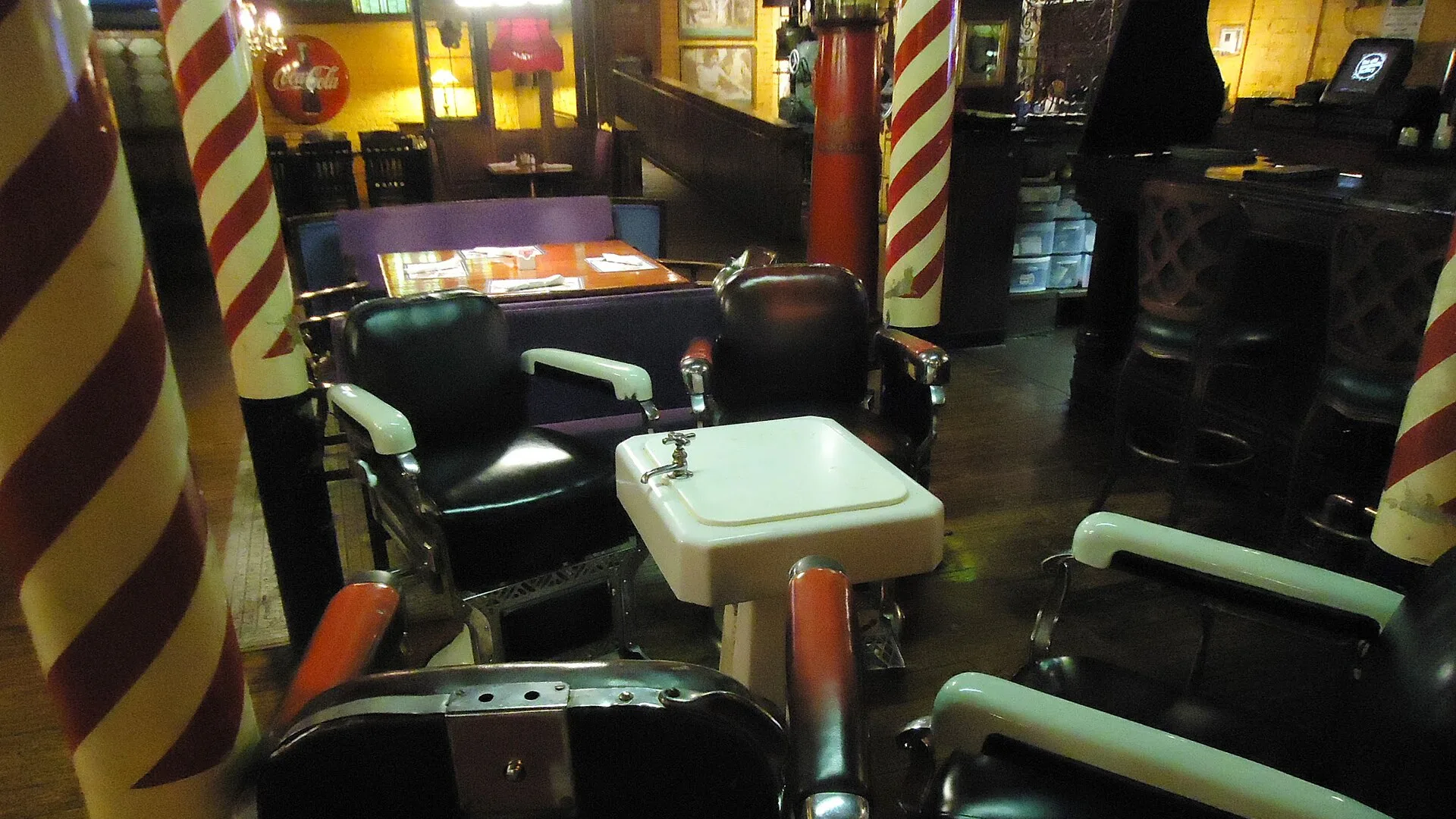
It's ten minutes past the hour, the chair is still empty and the client isn't answering their phone. Nothing gets decided well in that moment. The decision has to be made beforehand.
First, record it
Mark the appointment as a no-show the same day. It looks like paperwork, but it's what later tells you whether this is a one-off or a habit, both for that client and for your business as a whole.
Without that record, the policy gets applied according to who is at the desk and what mood they're in.
The three policies
No-show fee
The client is left with an outstanding amount that is charged on their next visit, along with the service. They can carry on booking as normal.
It fits if your clients are loyal and you want to make clear that time is worth money without shutting the door on anyone.
Block from the first miss
Whoever doesn't come can no longer book online. They'll have to call you.
It's the toughest one. It makes sense when the diary is full weeks ahead and every lost slot means having turned someone else away.
Block after several misses in a row
You set the number. The first is forgiven, and from the one you decide onwards online booking is blocked.
It tends to be the most reasonable for most businesses, because it tells a slip apart from a habit.
In Barberfy you choose one of the three in the venue's settings, if your plan includes attendance policies.
Always leave a way out
Any policy needs an exception within reach. When recording the miss, whoever is serving should be able to decide whether the consequence is applied or waived.
An accident, a sick child, a lifelong client who slips up once. Applying the rule without looking at who it is, is the fastest way to lose the people you most want to keep.
Say it where people book
The same fee causes a complaint if it comes as a surprise and none if it was written down at the time of booking. Put it on your public page, in one short sentence and without a threatening tone. For example, "If you can't come, please cancel 24 hours ahead. Appointments that aren't cancelled carry a €5 charge on your next visit."
Who can apply it
If you have a team, decide who marks a no-show and who can waive a fee. It doesn't have to be everyone. With per-employee permissions it's written down and doesn't depend on each person remembering what was agreed.
And before all this
The policy is the last resort. If you don't send reminders and cancelling is hard, you'll be punishing slips you could have avoided. Start there.
Updated on 18 November 2026